Hospital Vinyl Flooring
Why Vinyl Flooring Is the Ideal Choice for Hospitals
When it comes to healthcare environments, flooring isn’t just about aesthetics — it’s a critical element that directly impacts hygiene, safety, comfort, and durability. Among the various options available, vinyl flooring has emerged as a leading choice for hospitals and medical facilities worldwide. But what makes hospital vinyl flooring so well-suited to the demanding conditions of a hospital? Let’s explore.
Hygiene and Cleanliness
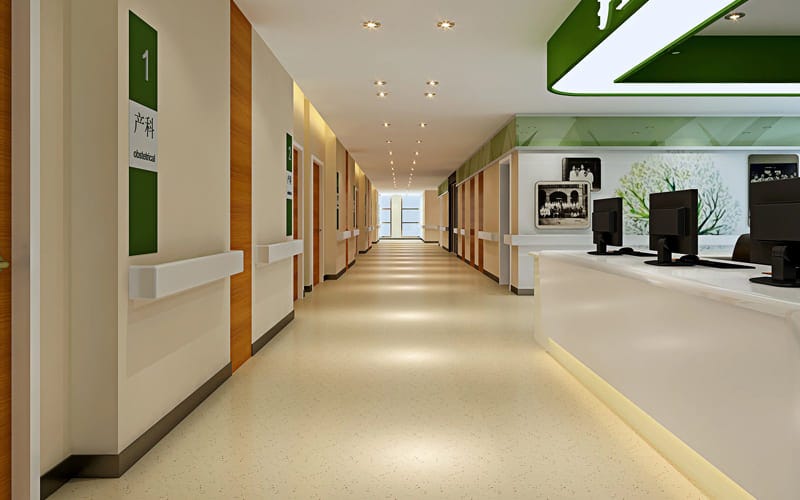
Hospitals are high-traffic spaces where cleanliness is paramount. Vinyl flooring stands out because it’s non-porous and seamless when properly installed, which helps prevent the accumulation of dirt, bacteria, and other contaminants. Many vinyl options are treated with antimicrobial coatings, adding an extra layer of protection against germs — a crucial benefit in settings where infection control is a top priority.
Additionally, vinyl is resistant to chemical spills, disinfectants, and staining, making it easy to maintain with routine cleaning. This ease of maintenance contributes to both hygiene and cost-effectiveness in the long term.
Durability and Performance
Hospital floors face constant foot traffic, wheeled equipment, rolling beds, and heavy machinery. Vinyl flooring is designed to be highly durable and resilient, able to withstand these conditions without cracking, chipping, or losing its appearance.
There are different types of vinyl flooring suited to healthcare use, including homogeneous vinyl, which is made of a single layer and offers excellent durability, and heterogeneous vinyl, which has multiple layers for added comfort and design flexibility. Both types are built to last in even the most demanding environments.
Safety and Comfort
Safety is a top concern in any healthcare setting. Vinyl flooring can be manufactured with slip-resistant surfaces, reducing the risk of slips and falls, particularly in wet or high-risk areas like operating rooms, emergency rooms, or corridors.
Another often-overlooked benefit of vinyl flooring is underfoot comfort and acoustic insulation. Many hospitals are turning to cushioned vinyl flooring, which offers a softer surface to walk on and absorbs sound. This is particularly beneficial in patient rooms and hallways, where a quieter environment supports healing and rest.
Aesthetic Flexibility
While function is key, form still matters — especially in healthcare design. A calm, welcoming environment can have a significant positive effect on patient well-being. Vinyl flooring is available in a wide variety of colors, patterns, and textures, including wood-look and stone-look finishes, allowing designers to create spaces that feel less clinical and more comforting.
Custom designs, zoning with different colors, and branding with logos or directional patterns are all possible with vinyl, making it as versatile as it is functional.
Eco-Friendly Options
Sustainability is becoming increasingly important in healthcare construction. Many modern vinyl flooring options are made from recycled materials and are 100% recyclable at the end of their lifecycle. Manufacturers also offer low-VOC (volatile organic compound) options to improve indoor air quality, which is critical in medical settings.
Conclusion
Vinyl flooring checks all the boxes for hospital use: it’s hygienic, durable, safe, comfortable, and aesthetically versatile. As healthcare design continues to evolve, vinyl remains a smart, sustainable, and patient-friendly solution for modern hospitals.


Comments
Post a Comment